
A Legacy of Neighborhood Protection
The distinction between “Major” and “Minor” utilities was established in 2004 to protect the residential character of our neighborhoods from Industrial Encroachment.
This reform prioritized Transit-Oriented Development (TOD)—a mission strengthened by the Connected Communities 2022 ordinance. It ensures land remains walkable and vibrant, not occupied by regional hubs.
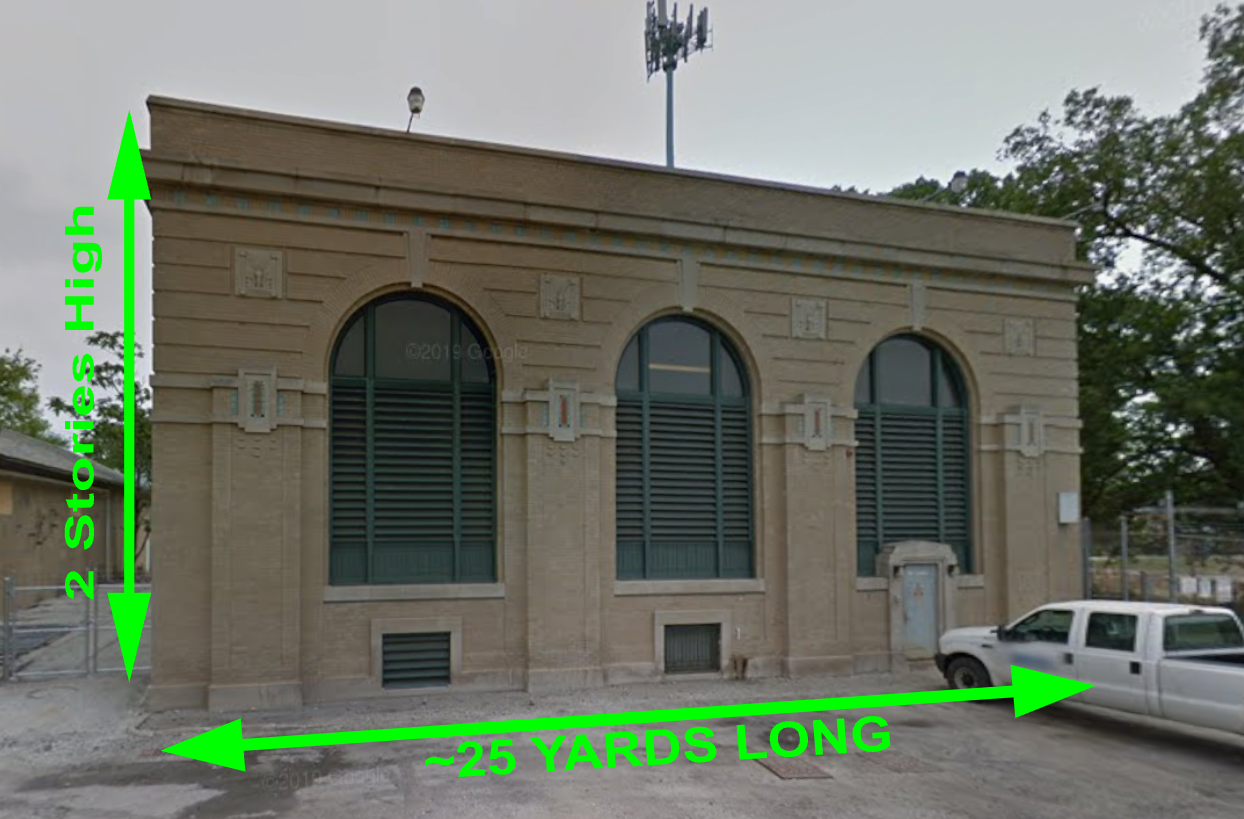
Voltage: 12kV (Local Distribution)
Impact: MINOR UTILITY: “Few if any impacts on surrounding areas”
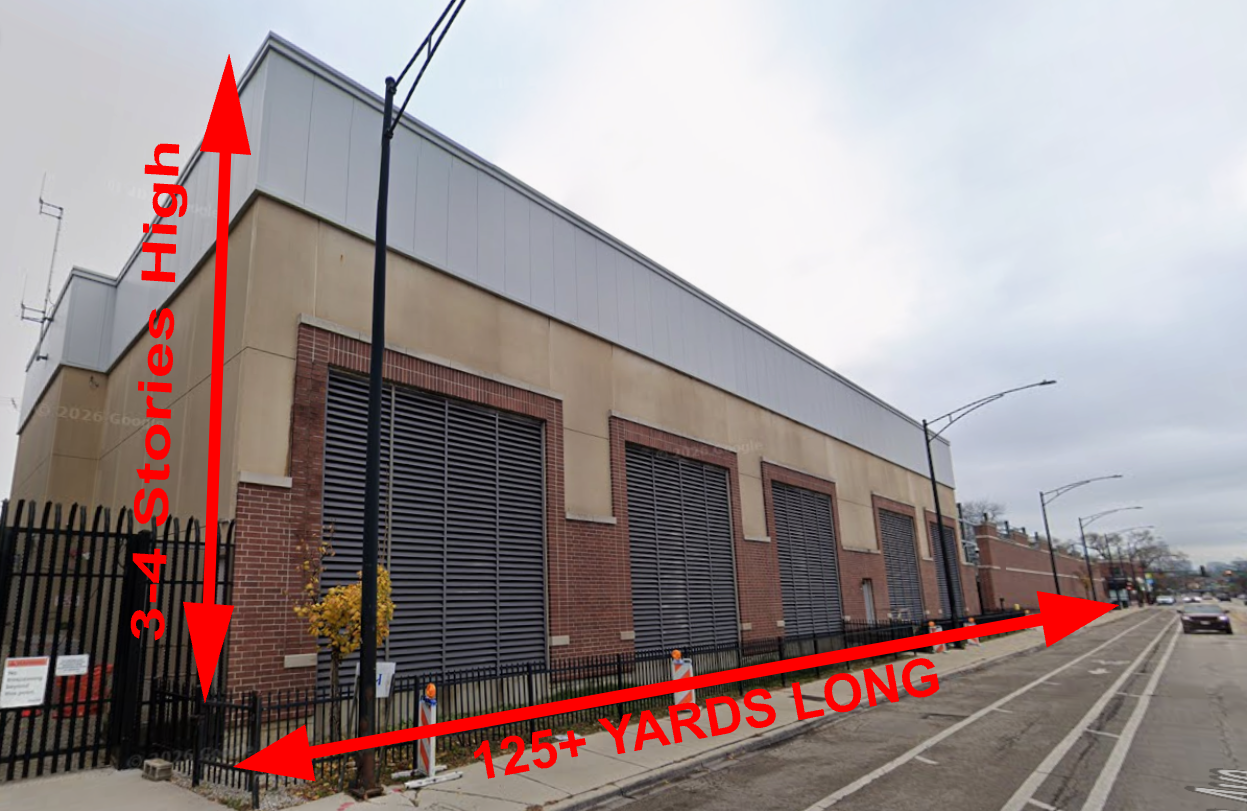
Voltage: 138kV (Regional Transmission)
Impact: MAJOR UTILITY: “Substantial land use impacts on surrounding areas”
Classifying a football-field-sized regional node as a ‘Minor Utility’ ignores twenty years of zoning progress. It creates a permanent dead zone that violates modern ordinance metrics.
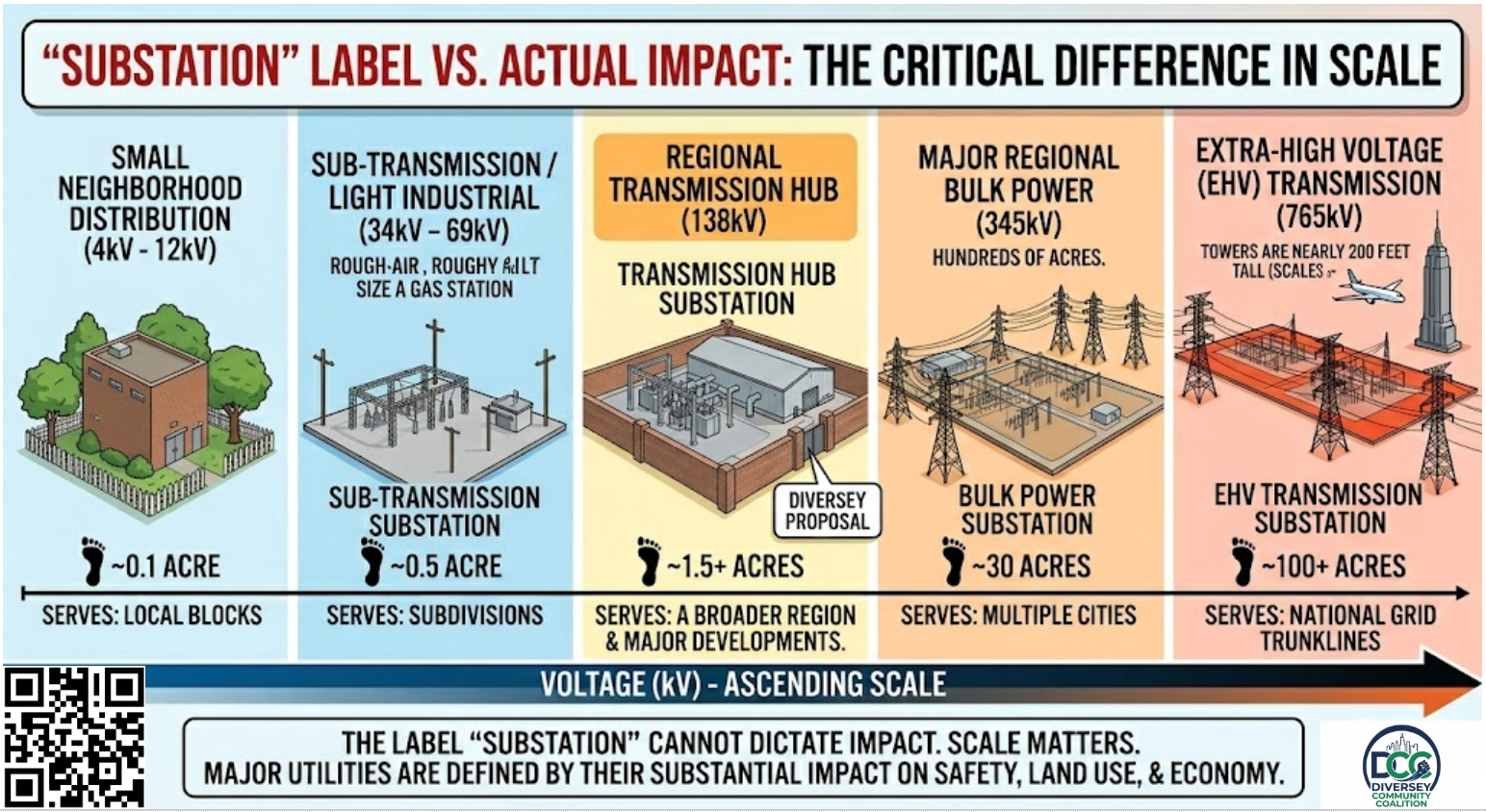
IMPACT DEFINES THE LAW.
By replacing our residential and commercial potential with INDUSTRIAL USE meant for a regional “community-wide interest,” ComEd is attempting to bypass the public scrutiny that the law explicitly requires.
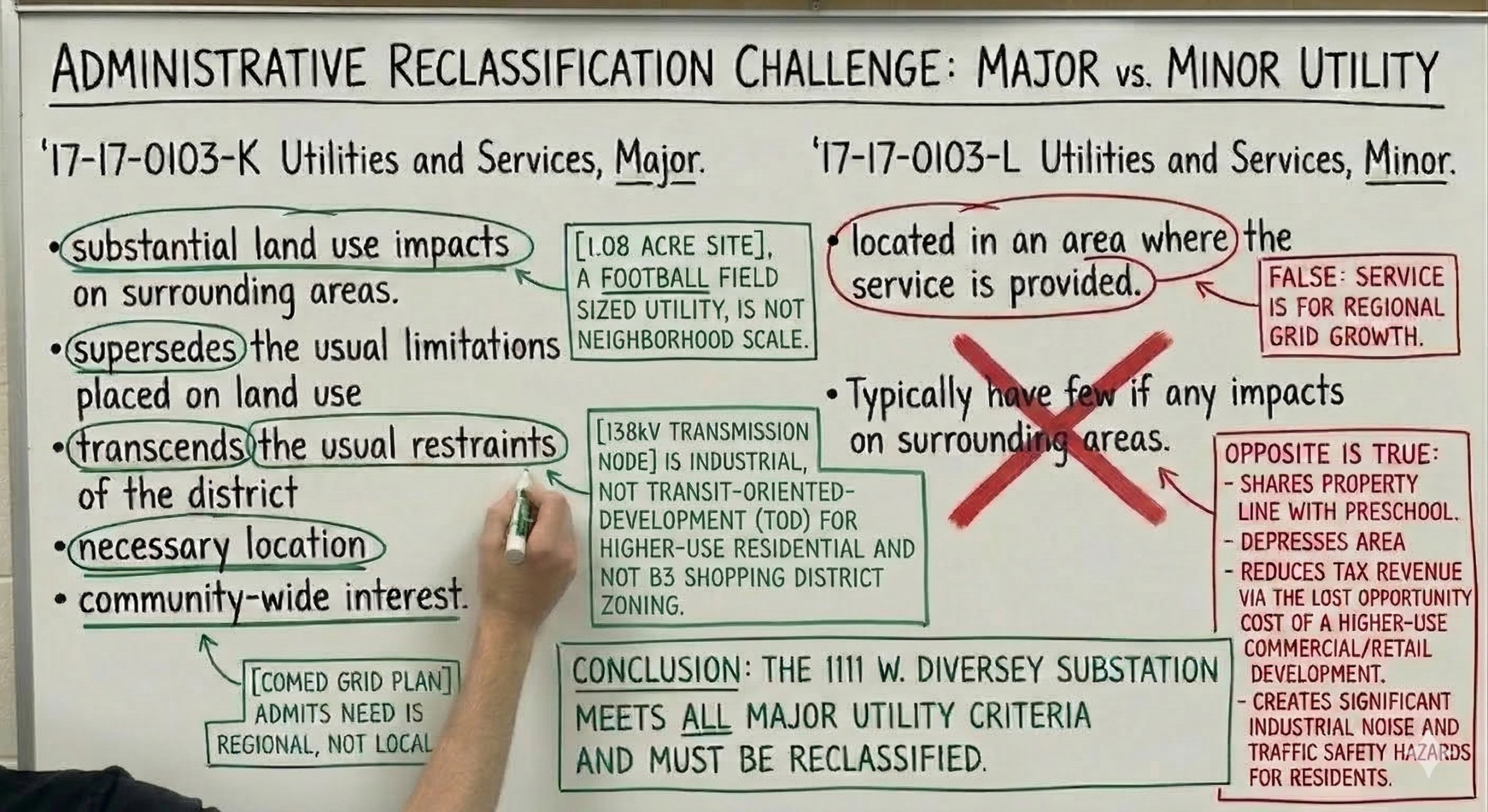
Demand Public Hearings and Transparency
Now that you have audited the legislative zoning scale, join the coalition in filing a formal public records protest with the ICC.
Take Action: File ICC Comment →