
Prioritize Transit-Oriented Development
We support modern energy infrastructure, but 1.5 acres of designated Transit-Oriented Development (TOD) land just 700 feet from an ADA-accessible L stop must be PRESERVED FOR HOUSING & RETAIL.
With viable ALTERNATIVE SITES AVAILABLE in manufacturing zones, we can achieve a WIN-WIN for housing and grid reliability without impacting pedestrian corridors.
ICC Judges Recommend Disallowing Lakeview Substation!
⚖️ DCC STATEMENT ON THE FAVORABLE ALJ PROPOSED ORDER:
We are grateful for today’s recommendation to the full Illinois Commerce Commission and for the thoughtful analysis from the judges in this case. They found that ComEd has not made its case for the Lakeview substation as proposed, which is the argument the DCC has made from the start—ComEd has not shown it needs a substation of this size.
We also thank the Attorney General’s office for pressing ComEd on the numbers and for acknowledging the community’s concerns about this project. The order recognizes that more than 500—which is now over 1,000—public comments overwhelmingly oppose the proposal.
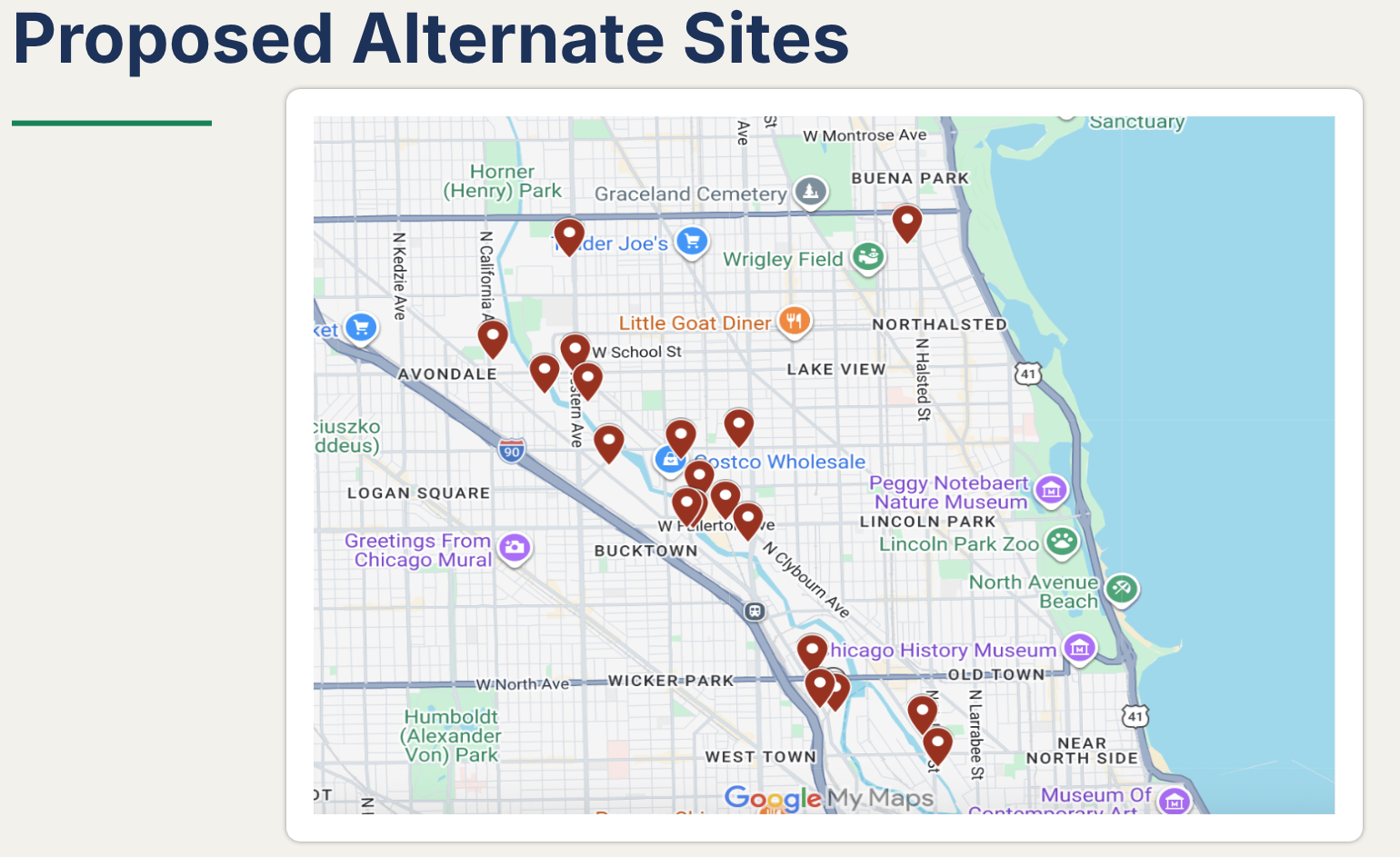
This is only a recommendation to the full Commission, and the fight is not over. But it is clearly time for ComEd to come to the table and work with the Coalition, our elected officials and the community on a different path forward that puts the community first. We’ve done the hard work and research to identify alternate locations and we hope that ComEd will finally now get serious about selecting one of them.
This is the wrong site, not no site.
👉 Read the Full Official ALJ Proposed Order (PDF) →
👉 Read Our Full Statement & Prior Updates in the News Section →
Call To Action!
Here are 4 things you can do right now to protect our transit-oriented land… it only takes a couple of minutes!
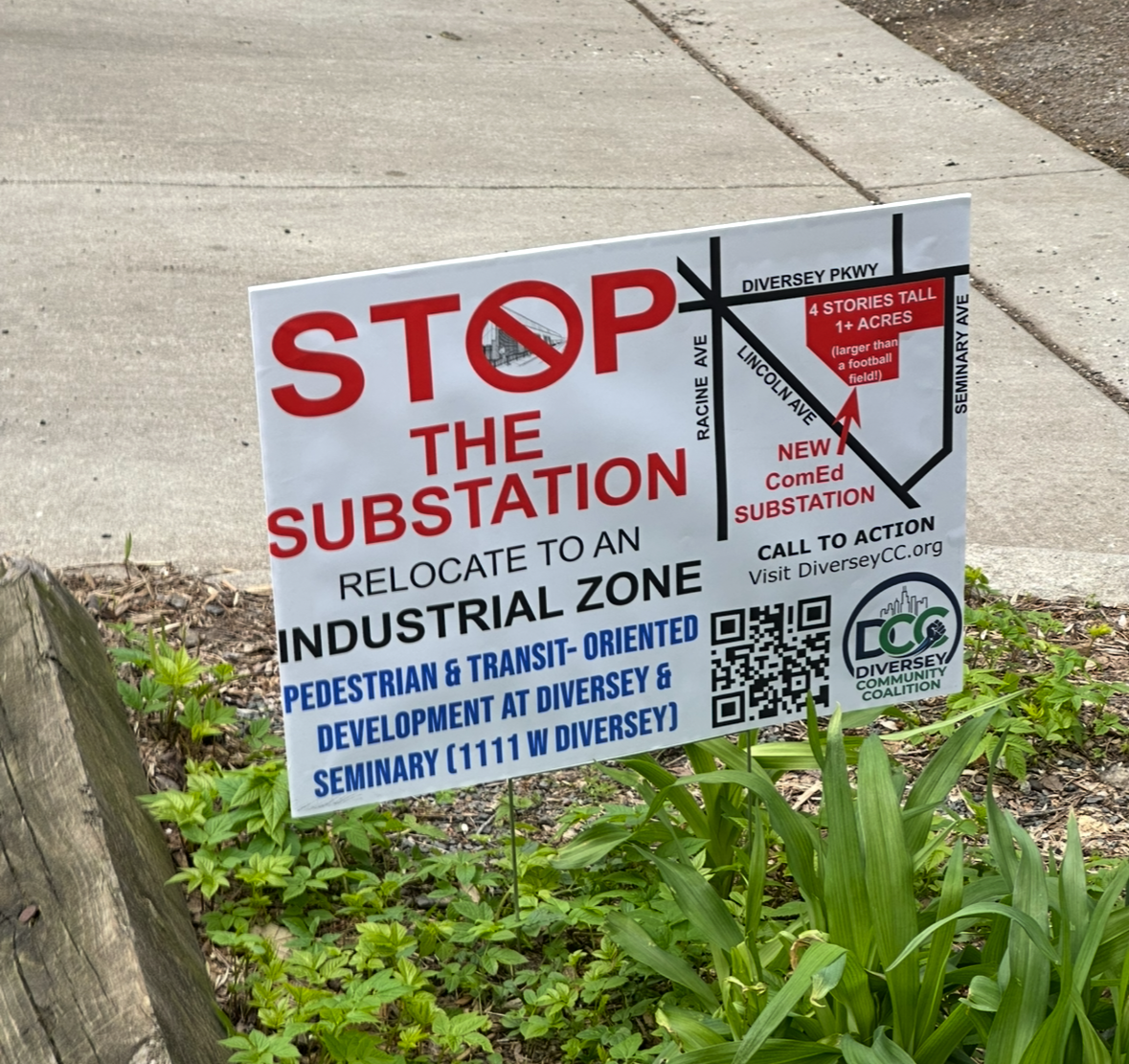 2. Get Yard Sign
Join our mailing list for critical community alerts, public hearing timelines, and action updates.
Our Growing Coalition
The Diversey Community Coalition is proud to stand united with our local, county, and state elected officials, neighborhood civic associations, and community organizations to protect transit-oriented development, school safety, and residential corridors.
 Ald. Timmy Knudsen
43rd Ward
 Sen. Sara Feigenholtz
6th District
 Rep. Ann Williams
11th District
 Ald. Bennett Lawson
44th Ward
 Comm. Bridget Degnen
Cook County 12th Dist.
 Wrightwood Neighbors Association
 Central Lake View Neighbors
 Indivisible Lake View – Lincoln Park – Old Town
 ONE Northside Chicago
Where Does the Substation Challenge Stand?
Following 10 months of formal evidentiary hearings, the Administrative Law Judges have issued their Proposed Order. We are now entering the final briefing rounds before the Illinois Commerce Commission renders its binding December 15 decision.
ComEd Response to Ald. Knudsen: “Show Us The Math”
📄 COMED’S OCTOBER 8TH RESPONSE LETTER: ComEd formally submitted written answers to Alderman Timmy Knudsen’s 10 pointed questions regarding 1111 W. Diversey and alternative industrial sites. While ComEd claimed alternative locations would cost upwards of $519 million, it conceded in Question 8 that it “did not evaluate all fourteen sites for cost impact”—relying on unverified estimates while its own data revealed that neighborhood power demand is growing by barely 0.7% annually.
👉 Read ComEd’s Full Response Letter (PDF) →
📣 DCC & ALDERMAN KNUDSEN JOINT STATEMENT: Following the letter’s release, the Diversey Community Coalition and Alderman Knudsen issued a joint statement demanding full accounting from the utility. The statement exposes ComEd’s shifting criteria: disqualifying viable 1-acre community sites using a secret 5-transformer requirement while only requesting 3 transformers from state regulators. Captive ratepayers should not be forced to underwrite speculative land-banking.
👉 Read the DCC & Alderman Knudsen Joint Statement (PDF) →
14 Viable Alternatives Proposed: ComEd Dismisses Them Without Real Analysis
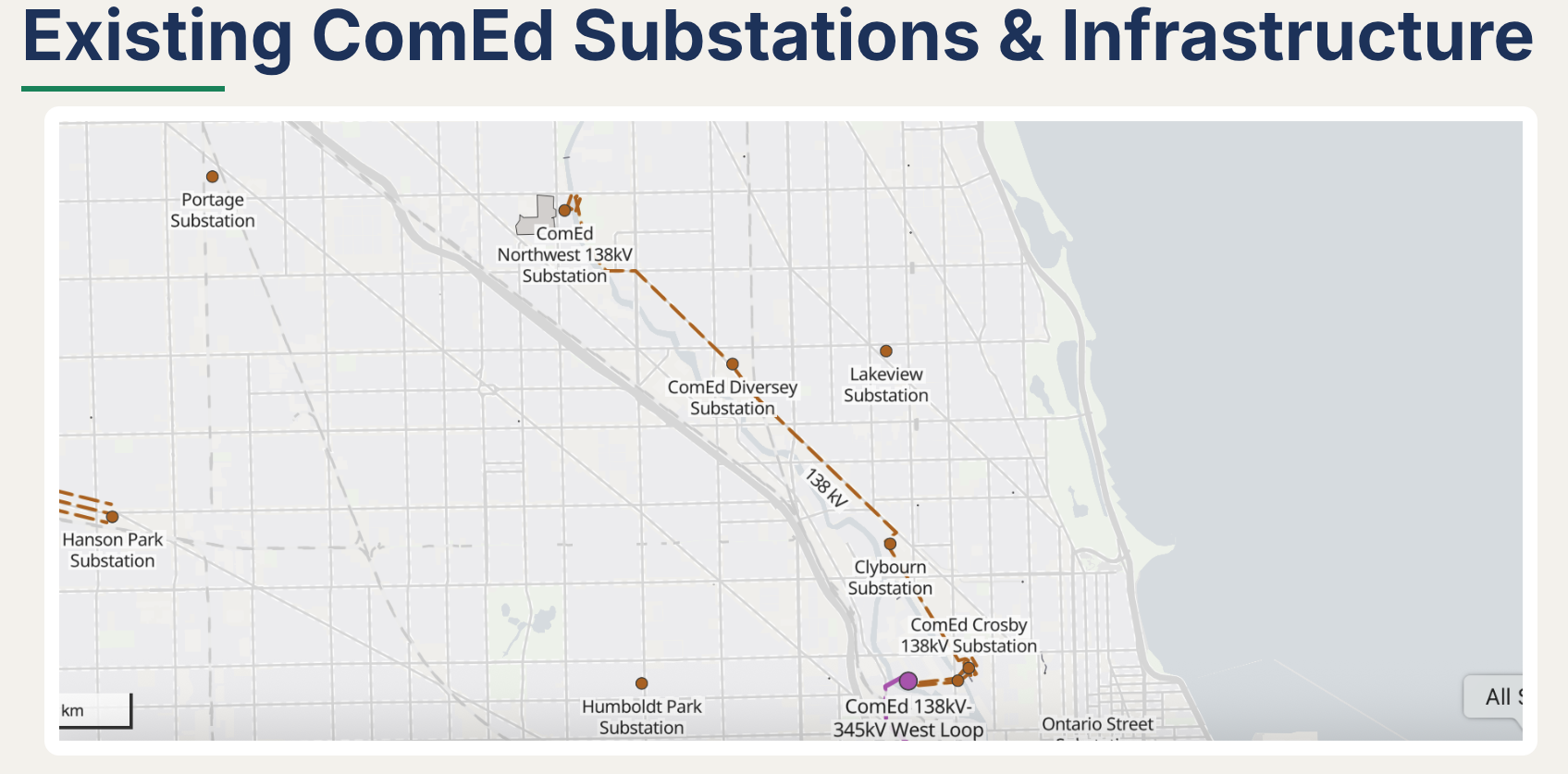
Working with urban planners and engineers, our coalition mapped 14 viable manufacturing-zoned sites that align with ComEd’s own infrastructure corridors. Instead of conducting objective engineering evaluations, ComEd issued a blanket rejection using boilerplate excuses to protect an unapproved, speculative purchase on prime transit-oriented land.
Elected Officials Escalate: Demanding Answers & State Oversight
“When a company’s story keeps changing depending on who’s asking and what they’re trying to justify, the public and the officials responsible for oversight deserve a closer look.” — State Senator Sara Feigenholtz
- Acreage Contradiction: ComEd claimed 1641 W. Diversey (1.2 acres) was “too small,” yet their proposed site at 1111 W. Diversey is only 1.08 acres!
- Moving the Goalposts: ComEd disqualified alternatives for not fitting a 5-transformer layout, even though their formal ICC filing only requests 3.
- Fabricated “Distance” Barrier: Every alternative site falls entirely inside ComEd’s own 39-square-mile service area definition submitted under oath.
- Ignoring Real Load Centers: Over 60% of regional buildout capacity is tied to mega-developments like Lincoln Yards/Foundry Park—directly adjacent to the alternative industrial sites.
- Unverified Cost Claims: ComEd told media that moving sites hurts outside ratepayers, but infrastructure costs are shared system-wide and selling the valuable Diversey parcel would actually credit ratepayers.
A Rare Opportunity for Housing & Community at 1111 W. Diversey
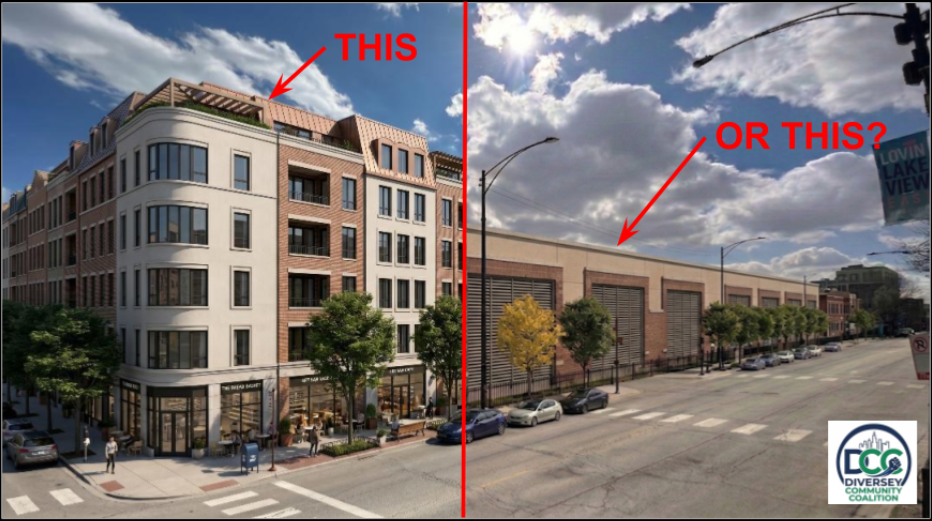
View the detailed residential vision designed by Alicia Pederson (Courtyard Urbanist), featuring site renderings and a full breakdown of the proposed courtyard layout.
View Detailed Courtyard Vision →Just 700ft from the Diversey ‘L’, this 1.5-acre site is meant for Equitable Transit-Oriented Development (eTOD). The choice is clear: vibrant residential living or a windowless industrial fortress.
Build Homes, Not Dead Zones
This site could hold 200+ units of high-density housing on a Pedestrian Street. It’s a chance for:
- Car-Free Living: Supports transit riders directly at the ‘L’ station.
- Planting Roots: Keeps families local near neighborhood schools.
- Local Economy: Drives foot traffic to neighborhood retail shops.
Industrial Encroachment
ComEd is using an outdated zoning loophole to build a massive regional transmission hub without public hearings.
- Blocks Transit: Sterilizes prime eTOD land permanently.
- Ignores Alternatives: Sidesteps viable manufacturing-zoned sites.
- Breaks Continuity: Creates an industrial dead zone along a pedestrian route.
Help Us Preserve Our Transit-Oriented Future
TAKE ACTION NOW →WHAT CHICAGO LOSES
The Staggering Opportunity Cost of ComEd’s “Lakeview” Substation
We plugged 1111 W. Diversey into the Metropolitan Planning Council’s ETOD Calculator. If ComEd forces an unstaffed 1.5 acre industrial shell onto this rare transit-adjacent parcel instead of mixed-use residential/retail, here is exactly what the community loses:
In the middle of a city-wide housing crisis, this site has the transit eligibility to natively support 450+ new residents—permanently wiping out housing capacity 700 feet from an ADA L stop.
Under Chicago’s Connected Communities Ordinance, a residential build here would yield affordable units, giving people access to a high-opportunity area.
The calculator proves that utilizing the site’s capacity for 33k+ sq. ft. of ground-floor retail would create permanent local jobs. ComEd’s substation creates zero permanent on-site jobs.
A vibrant community block would inject millions of dollars every single year directly into surrounding neighborhood small businesses. An industrial dead-zone completely breaks walking continuity and discourages shoppers from stopping at our retail corridors.
Over a 10-year period, a mixed-use development would generate millions in real estate and local sales taxes to fund our public schools, parks, and city transit. Tax-deficient utility infrastructure contributes nothing.
Building transit-adjacent homes removes cars from roads. This layout would add thousands of green transit trips per year reducing GHG by ~5,000 kg/year. ComEd is actively blocking ridership and subverting the climate goals of CEJA.
The Case Against a Massive Substation
We believe in a vibrant, sustainable future for the Diversey corridor. Explore the evidence, public filings, and technical logic guiding our neighborhood platform.
The 62% Ghost Load
Exposing the corporate over-build.
Click to read more →Major/Minor Loophole
Why this isn’t “routine” utility work.
Click to read more →Squandering Transit Land
The cost of industrial dead-zones.
Click to read more →The 95% Misdirection
Deconstructing blackout claims.
Click to read more →ComEd’s Safety History
Reviewing track records at our site.
Click to read more →Courtyard Vision
See the residential plan by Alicia Pederson.
Click to read more →TAKE ACTION NOW!
The ICC controls the project budget. If they “disallow” the expenditure, ComEd cannot charge ratepayers for it.
FILE AN ILLINOIS COMMERCE COMMISSION (ICC) PUBLIC COMMENT
Help protect our neighborhood in Docket 26-0047 in 4 easy steps:
1. Click “🔄 Refresh Text” to find the message you like.
2. Click “📋 Copy Text” to copy it to your clipboard.
3. (Optional) Enter your email below to stay informed on hearing dates.
4. Click “🌐 Open ICC Portal” to paste and submit your comment.
Join our newsletter for critical ICC hearing dates and community alerts.
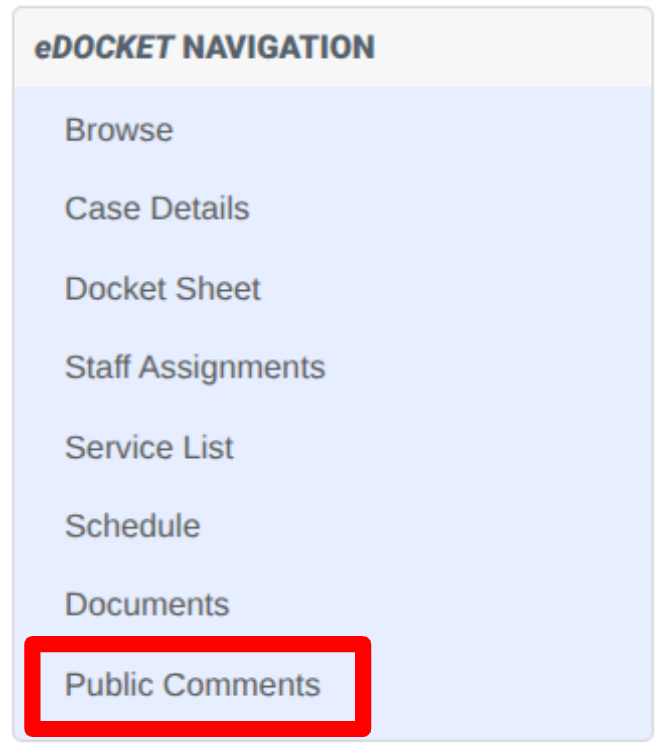
IMPORTANT: The ICC Portal recently added a reCAPTCHA bot detector which may send you to a different part of the docket. If that happens, please click on the “Public Comments” option within the “eDOCKET NAVIGATION” menu. Then find the “Comment on this Case” button. It’ll be on the right-hand side for a laptop but at the very bottom of the comments for a mobile device. See picture below. You can also go to this direct Link: https://icc.illinois.gov/docket/P2026-0047/comment-on-a-case